


New York felt electric again.
Fashion, music, bankers, basketball, founders, noise, ambition, punks, investors — and underneath it, a political question: why does socialism suddenly sound practical to so many young people?
Before you read, scroll to the end, press play on the Ramones, and come back up.
This one needs the right soundtrack.


1. New York as a sensor
I spent four weeks in New York.
The city felt alive in a way that is hard to fake. Young people everywhere. Fashion changing block by block. Music coming out of cars, cafés, phones and apartments. People running, skating, lifting, dressing up, dressing weird, watching basketball, arguing about the Knicks, moving fast.
New York still has that rare quality: you feel the future before someone explains it to you.
This time, the future was also political.
You could feel a new kind of socialism in the air. Less heavy theory. More monthly budget. Less old-school worker committee. More rent, groceries, child care, buses and AI anxiety.
That is the core of what we can call Mamdani socialism.
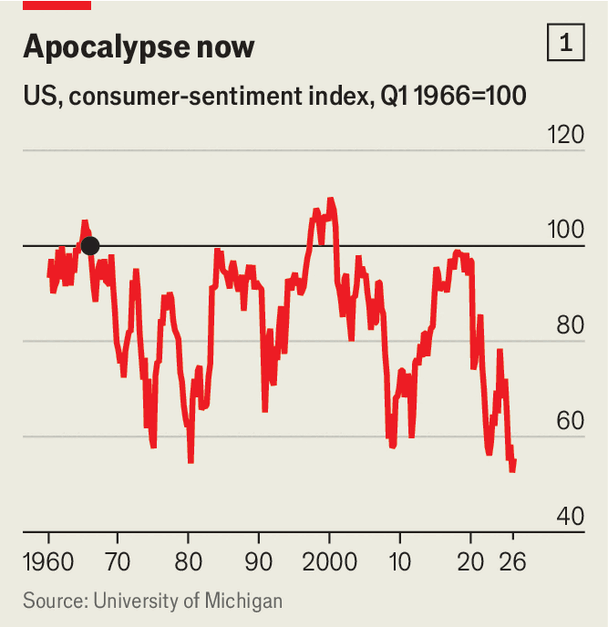
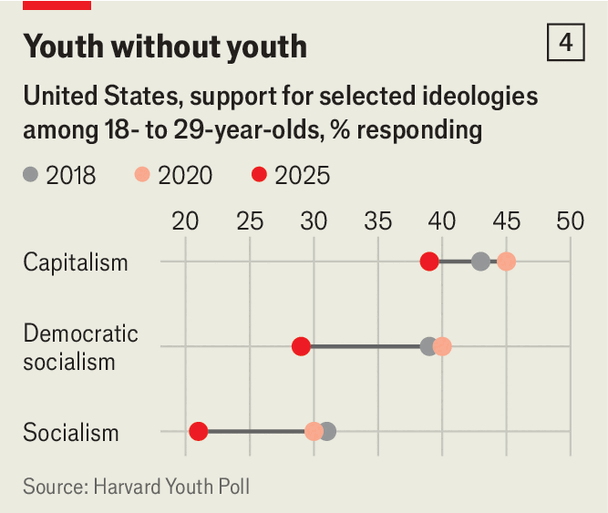
The Economist recently described this as the rise of Gen-Z socialism. Its point was sharp: the new left is less interested in old ideological language and more interested in making daily life cheaper. Rent controls, public grocery stores, free buses, free child care and protection from AI are the new front lines.1
This is why the message travels.
It does not ask young people to read Marx.
It asks them to check their bank account.
2. The official economy looks better than the lived economy
On paper, America is not collapsing.
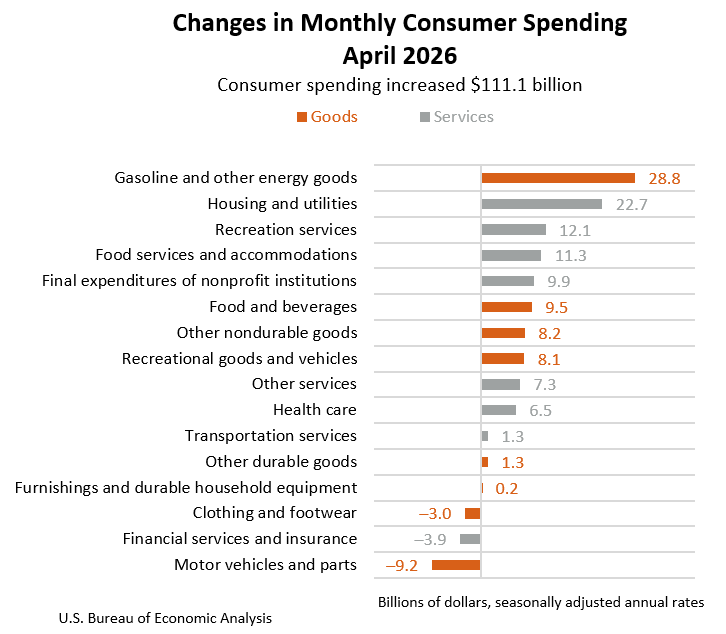
Consumption is still holding up. Employment has been resilient. Stock markets have been strong. Household balance sheets are not as weak as the low saving rate alone suggests.
The Bureau of Economic Analysis reported that the US personal saving rate fell to 2.6% in April 2026. That sounds alarming. The Economist added useful context: part of the low rate reflects demographics, because older Americans are drawing down savings, while many households still hold meaningful liquid assets.2
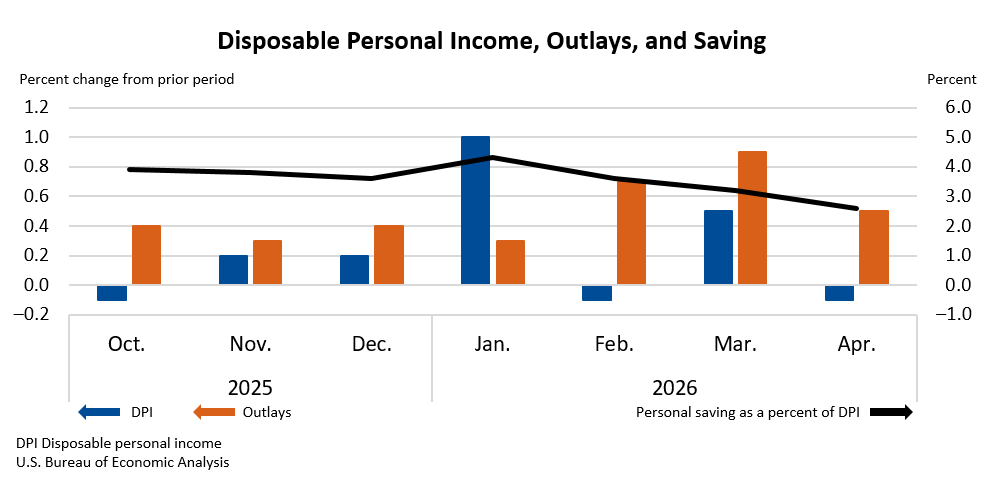
So the point is not that American consumers are suddenly broke. The point is more political: a strong economy can still feel broken if the gains arrive in the wrong places.3
GDP does not pay your rent. A record stock market does not help much if you own no meaningful assets. Low unemployment does not solve the problem if the jobs feel unstable, underpaid or exposed to AI.
This is where defenders of capitalism often sound weak. They answer lived pressure with aggregate charts. That may be technically correct. It is also emotionally useless.
For a 24-year-old in New York, the question is not whether the economy is growing. The question is whether the deal still works.
Can I afford to live here? Can I build a life? Can I save? Can I own anything? Can I start a family without needing a private-equity-backed spreadsheet?
That is the opening for the new left.
3. Mamdani socialism is bill-level politics
The new socialist message is powerful because it starts with bills.
Rent. Groceries. Transport. Child care. Electricity. Health care.
It is not trying to win a seminar. It is trying to win the monthly budget.
That is why ideas like city-run grocery stores get attention. Reuters reported that New York named East Harlem as the first site for a city-run grocery store, part of a broader push to make food more affordable.4

The message is easy to understand: if private markets make life too expensive, the city should compete directly.
Whether that works at scale is another question. Politically, it has one major advantage: it sounds concrete.
The same is true for rent freezes and free buses. You do not need a PhD to understand the promise. Lower my rent. Cut my costs. Protect my job.
That is the emotional grammar of modern socialism.
The state becomes the last institution that still promises to take your side against the bill.
4. The diagnosis is strong. Many cures are weak.
The affordability problem is real.
Housing is too expensive. Child care is too expensive. Health care is too expensive. Education is too expensive. For many young people, asset ownership looks like something that happened to their parents.
Ignoring this is lazy.
But recognising the problem does not make every socialist answer smart.
Rent control is the cleanest example. It can protect existing tenants. It can also reduce future rental supply.
A well-known NBER paper on San Francisco found that rent control reduced rental housing supply by 15% and increased city-wide rents by 5.1%. The policy helped some tenants stay in place, but it also made the overall housing market tighter.5
Rent control: the trade-off
This compresses the whole point: rent control helps protected tenants, but the system adapts. Supply falls, and rents rise for everyone else. The NBER paper finds that rent control increased renters’ probability of staying by nearly 20%, while landlords reduced rental supply by 15%, causing a 5.1% city-wide rent increase.
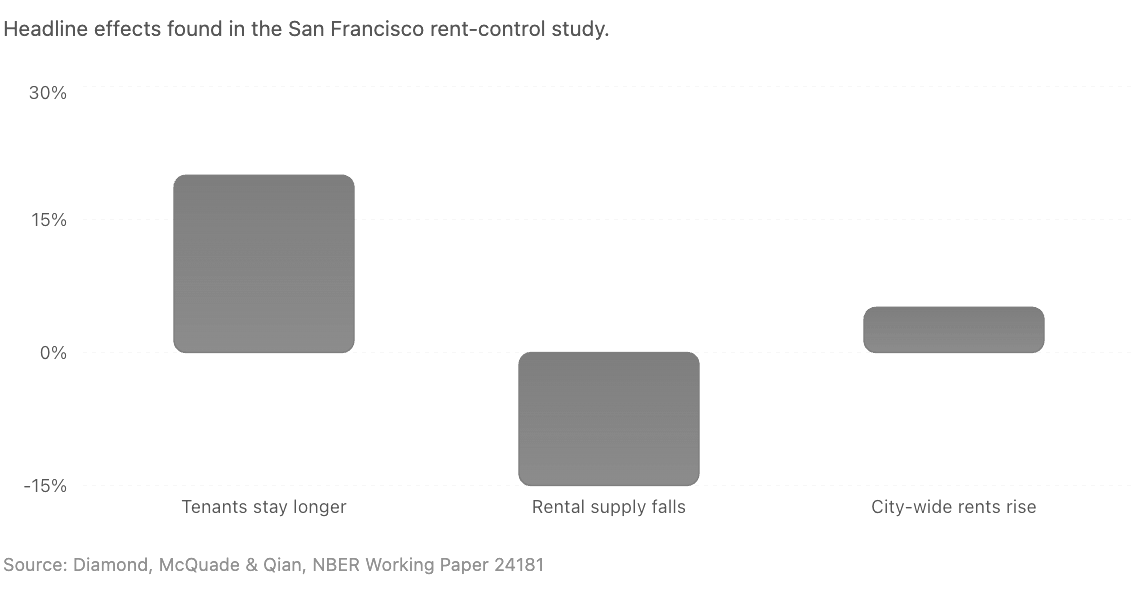
That is the uncomfortable part of many “make it cheaper” policies. They can reduce the visible price today while damaging supply tomorrow.
Public grocery stores may help specific neighbourhoods. They will not magically remove logistics costs, labour costs, rents, energy prices and supply-chain constraints.
Free buses are easy to sell. Someone still pays for the buses.
Taxing billionaires is popular. There are not enough billionaires to fund every promise forever. Espacially not when they move to Florida.
Stopping data centres may sound like a way to protect jobs and electricity prices. It can also push investment, infrastructure and high-quality jobs somewhere else.
The new socialism is strongest when it describes how people feel.
It becomes weaker when it explains how the system should actually work.
5. AI makes the politics sharper
AI adds pressure because it attacks the old bargain at the entry point.
For decades, the basic idea was simple enough: get educated, take the junior job, learn, move up. Now many young people look at AI and ask whether the junior job will still exist.
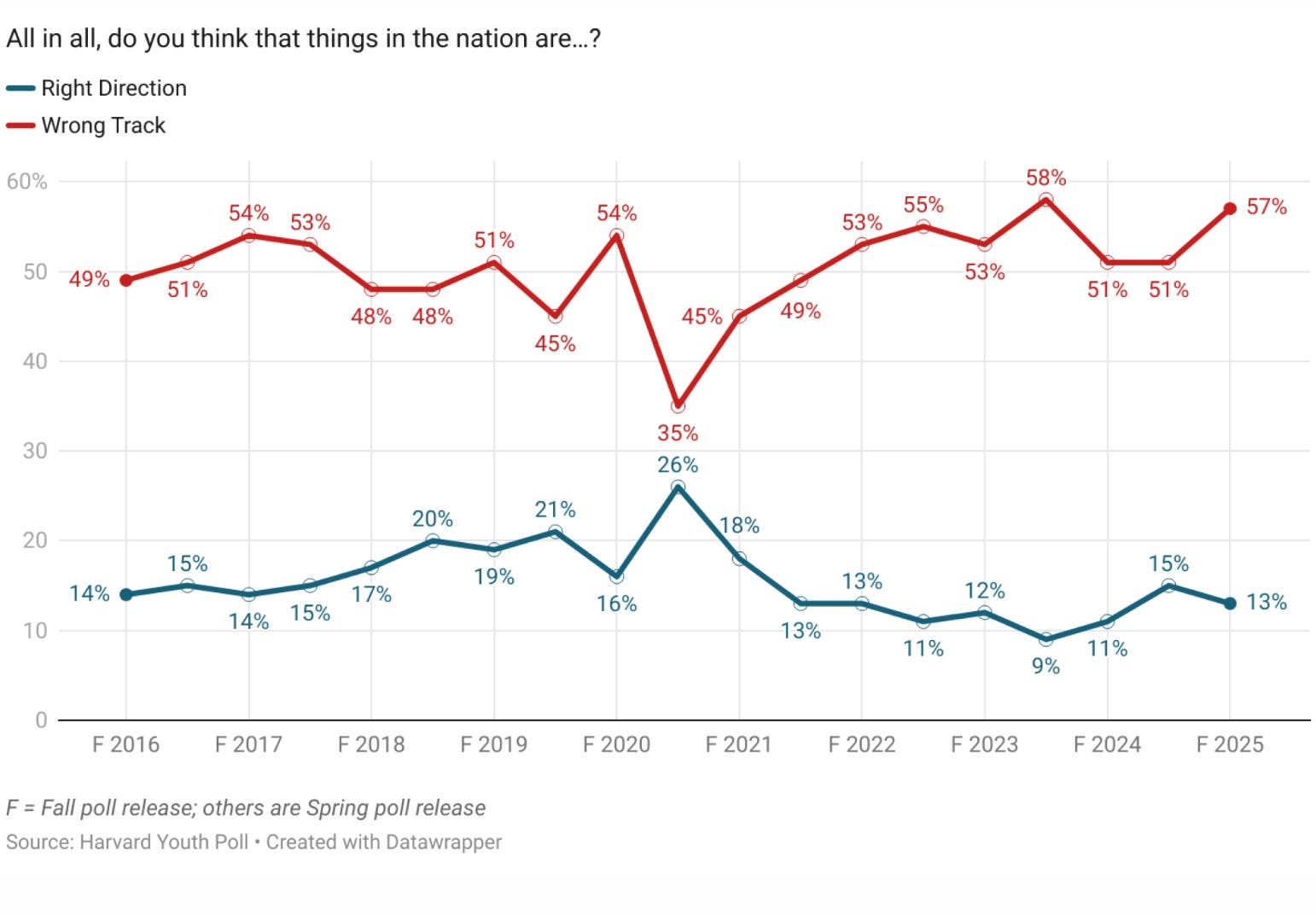
A Harvard Youth Poll found that 59% of Americans aged 18 to 29 see AI as a threat to their job prospects.6
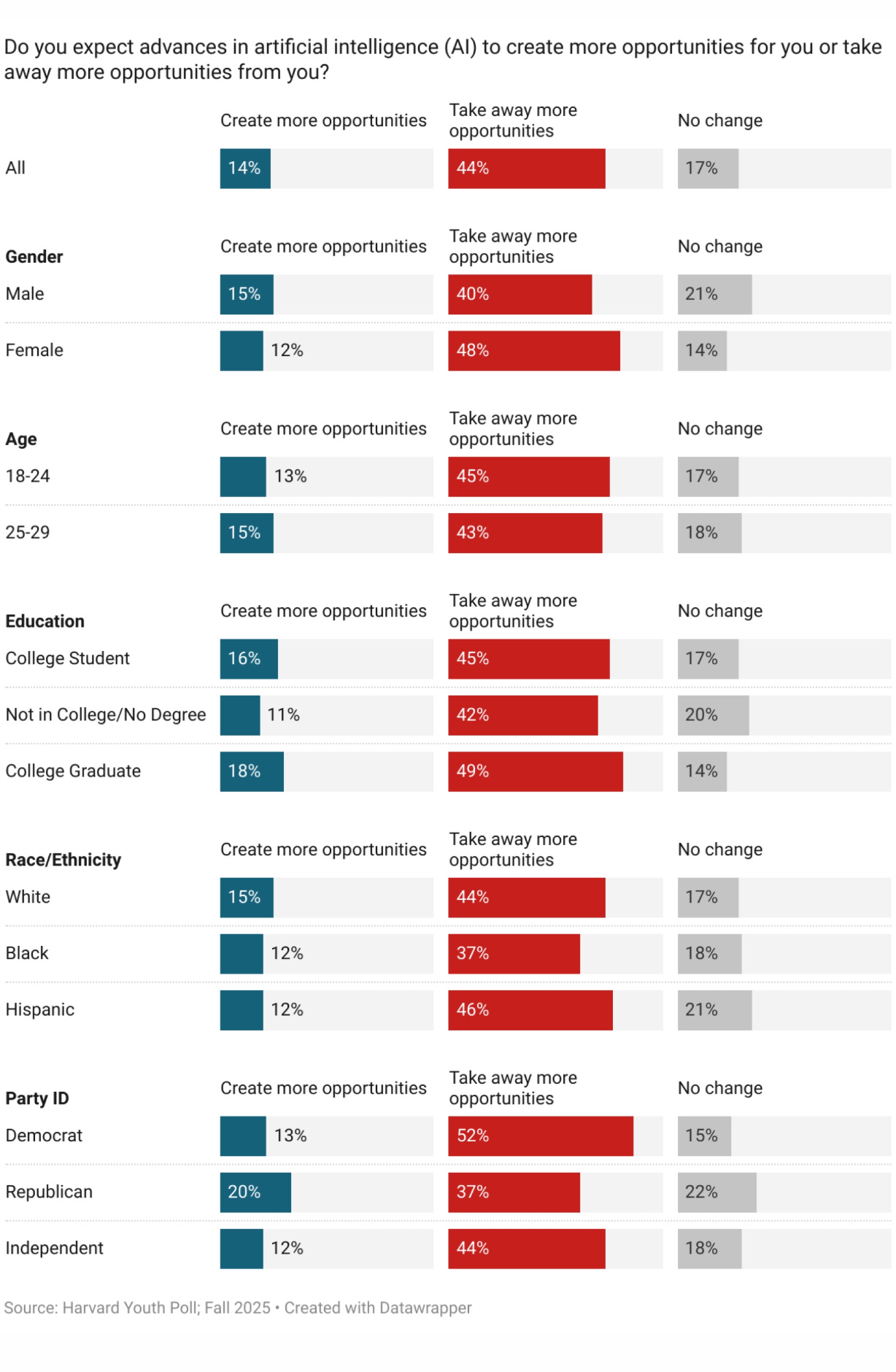
This fear is not irrational. Young people use AI. They also fear it. That is the reality of using a tool that may also compete with you.
The pressure is not only about jobs.
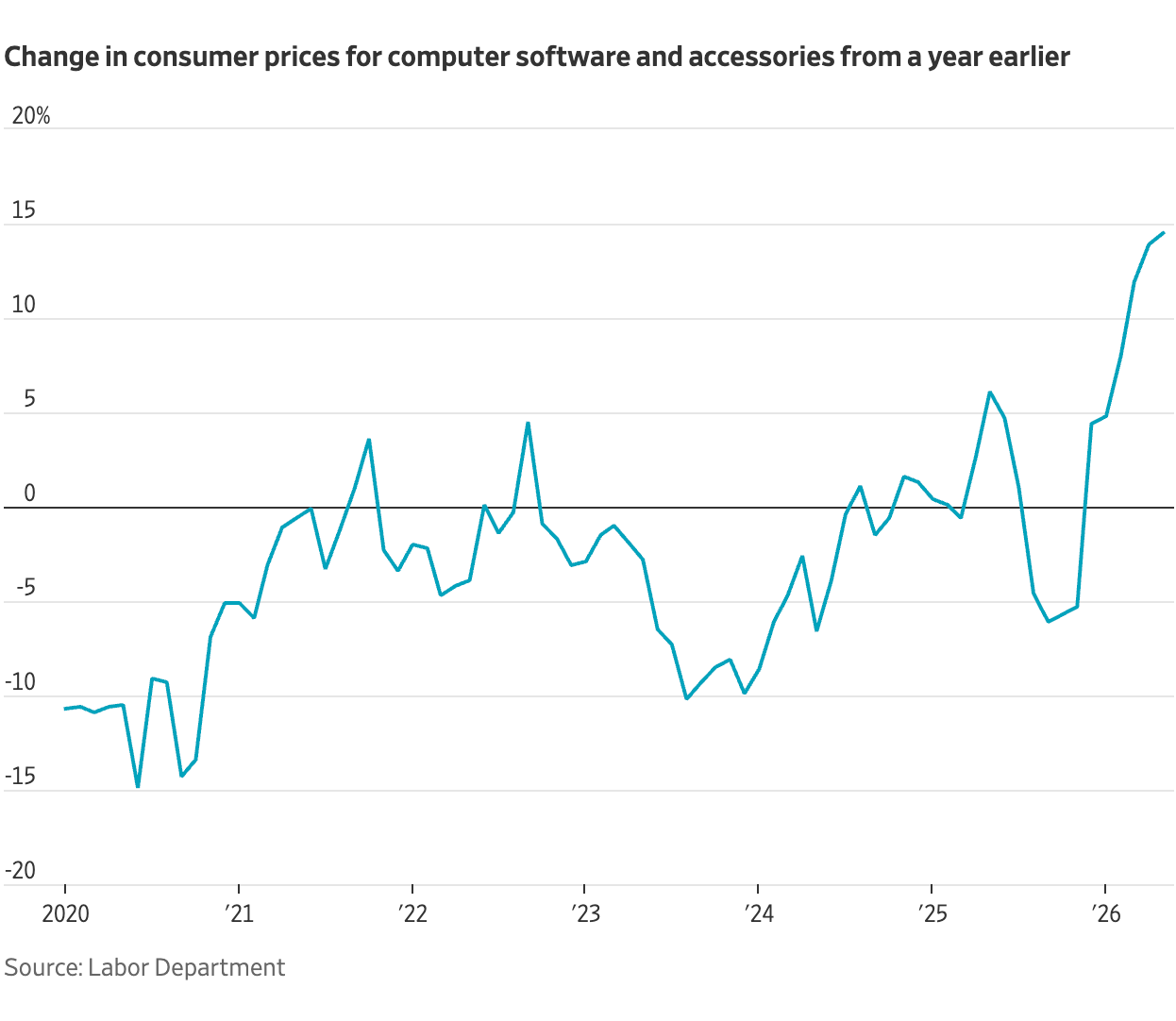
The AI boom is also physical. Data centres need land, electricity, chips, cooling, cables, backup generators and skilled labour. The Wall Street Journal reported that the AI build-out is already pushing up prices for memory chips, electronic components, electricity and specialised construction labour.7
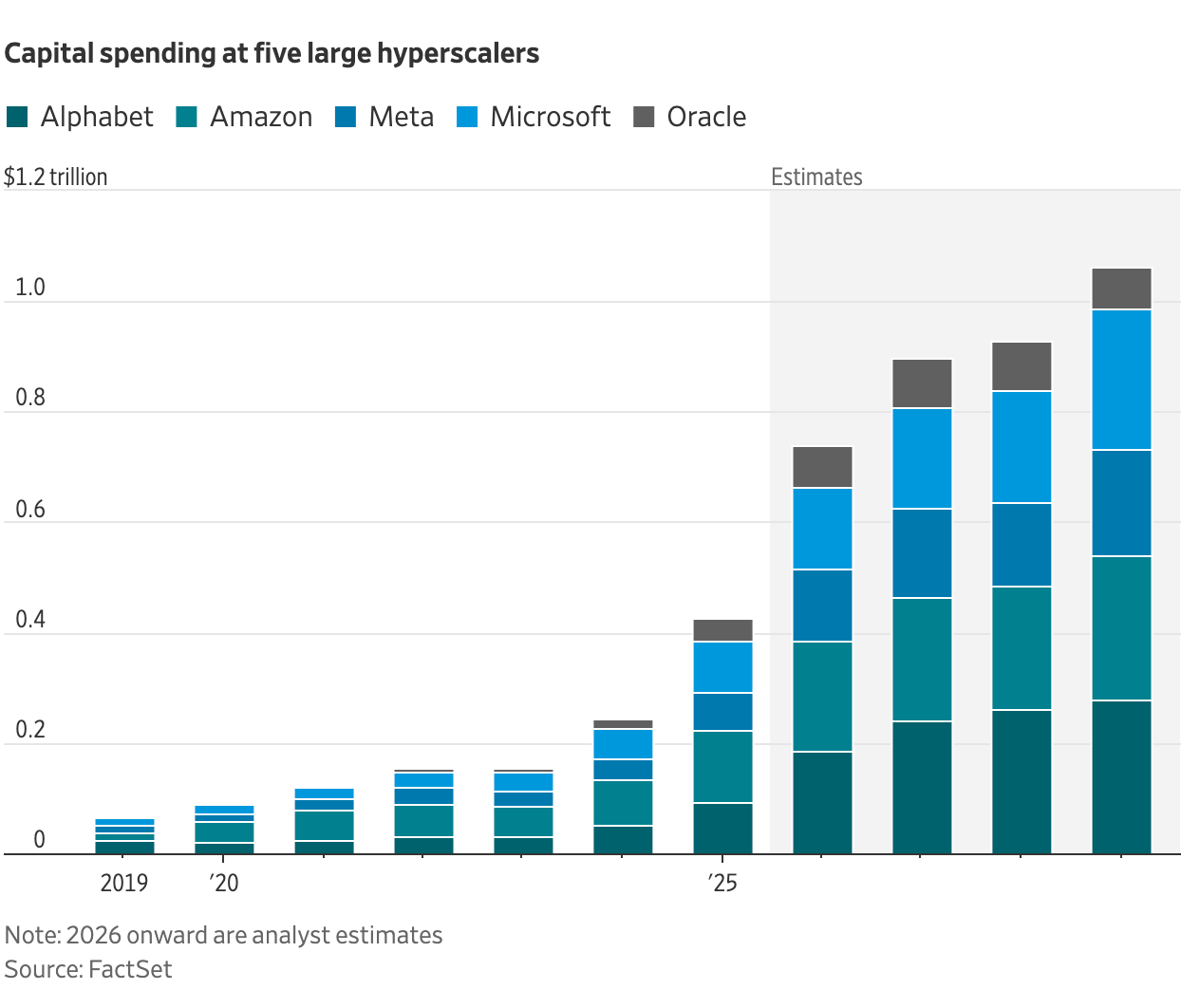
The same article cited FactSet estimates that capital spending by Alphabet, Amazon, Meta, Microsoft and Oracle could reach $741bn this year, up nearly 75% from last year.8
You may notice this first in a very ordinary place: the next iPhone price. Apple has warned that rising memory-chip costs, partly driven by AI data-centre demand, are likely to push product prices +20% higher.9
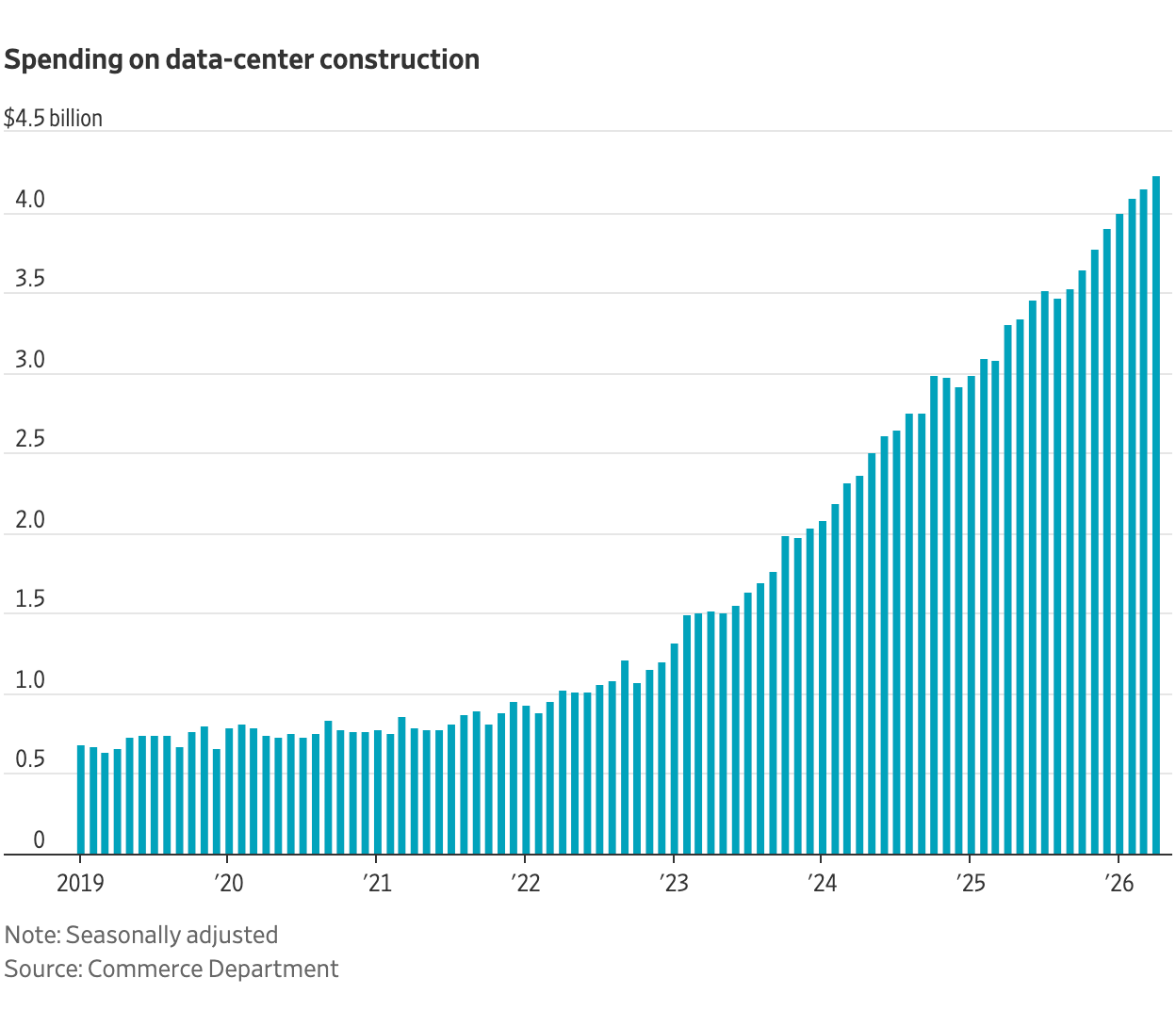
This matters politically. AI may become disinflationary over time if it raises productivity. That is the optimistic case, and it may be true.
But the first phase can feel different: higher demand for power, chips, land and labour; more pressure on local infrastructure; more uncertainty about entry-level work.
Young people are being told AI will create a more productive economy later.
They are paying higher bills now.
That gap is where politics happens.
6. Switzerland has its own version
This logic is not only American.
The Economist points to similar movements across rich democracies: the Greens in Britain, Die Linke in Germany, Jean-Luc Mélenchon in France, the NDP in Canada and other left-wing candidates using affordability as the main language.10
Switzerland has a cleaner, less fashionable example: the 13th AHV pension.
In March 2024, Swiss voters approved an initiative for a 13th OASI/AHV pension payment — effectively an extra monthly pension payment each year.11
The federal government estimated that the 13th payment would probably cost around CHF 4.1bn per year, with the federal government paying around CHF 800m.12
This vote matters because Switzerland is rich, stable, conservative and usually proud of fiscal discipline. And still, voters approved a major new benefit before the financing question was fully settled.
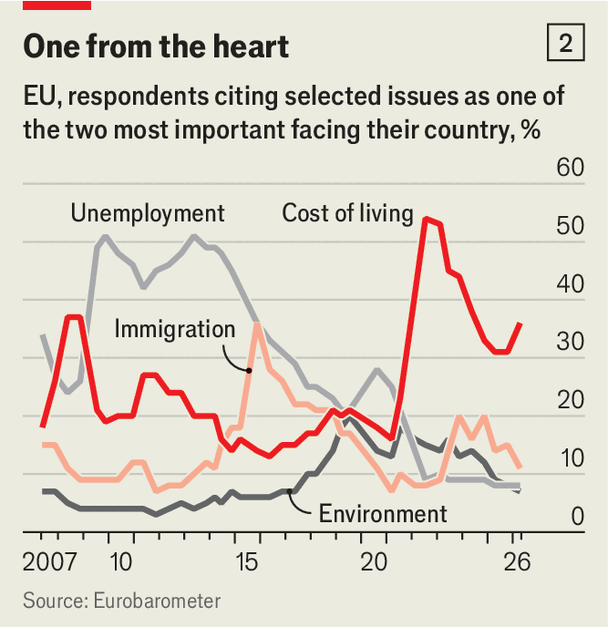
That sends a signal to younger generations.
Older voters can use the state to protect current benefits while younger workers are left with the financing problem. The bill can arrive through payroll contributions, VAT, taxes or reduced flexibility later. The details matter, but the direction is clear enough.
Benefit now. Financing later.
This is one reason young people lose trust in the old centre.
They hear lectures about responsibility from the same political system that keeps making future obligations heavier.
A recent Swissinfo report shows that Switzerland is still debating how to finance the 13th pension, including mixes of employee contributions and VAT.13
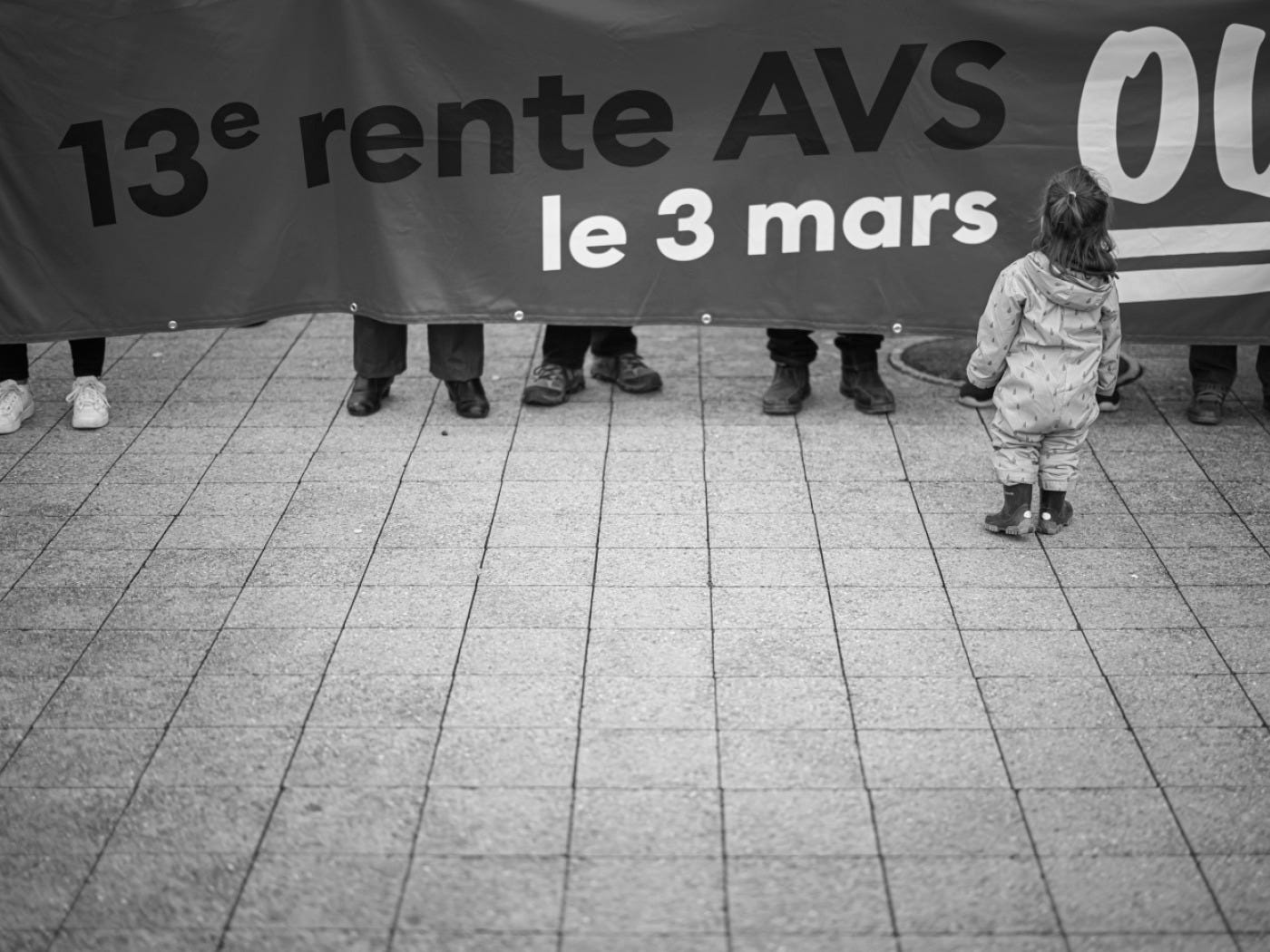
This is not the same as Mamdani socialism. But it belongs to the same family of politics: the state is asked to absorb economic pressure, while the financing is pushed into a later argument.
Young voters notice.
7. Someone still has to pay
The harder truth is simple: the welfare state is not magic. Somebody has to earn the money before somebody else can spend it.
Europe already spends heavily. Eurostat’s latest comparable EU-wide estimate shows that social protection benefits reached €4.925tn in 2024, equal to 27.3% of EU GDP. Old-age and survivors’ benefits made up 47% of that spending.14

We use 2024 data because it is the latest comparable EU-wide dataset. That is part of the point. Europe is slow at measuring the cost of its own promises. The figures are still “early estimates”, and even then they depend on national reporting. In politics, what you do not measure clearly, you cannot govern honestly.
Paul Donovan / UBS on Germany: “Initial German data has a pessimistic bias; over 10 years retail sales were revised up 60% of the time and personal consumption 63%.” His point: first releases mislead, revisions are overlooked.
FT also quotes Donovan: “Just because some statistical agencies do not publicly admit their errors does not mean the errors do not exist.” It adds that EU GDP data can produce “mad results”, citing Ireland’s quarterly growth revision from 3.2% to 9.7%.
Germany shows the crowding-out problem. According to ifo, statutory pension subsidies will absorb 33.3% of federal tax revenue in the 2026 draft budget, or €127.8bn.15
That money cannot be spent twice. If more tax revenue goes into current transfers, less is available for infrastructure, defence, education, energy systems, digitalisation and future productivity.
Deutsche Bahn is a useful symbol. The June 2026 nationwide railway standstill was caused by a technical GSM-R communication failure, but Reuters also noted the broader context: chronic delays, cancellations and criticism after decades of underinvestment.16

That is the pattern. Promise benefits now. Delay maintenance. Underinvest in future capacity. Then act surprised when the system stops working. Blame software.
Compassion without financing is not solidarity. It is deferred conflict.
Market capitalism has many failures. Statist socialism often sells the invoice as someone else’s problem.
8. The real problem is ownership
The deeper issue is ownership.
If you own assets, inflation feels different. If you own a home, housing inflation can make you richer. If you own stocks, the AI boom can lift your portfolio. If you own a business, automation can raise your margins.
If you own nothing, the same economy looks harsher.
Rent rises. Food rises. Electricity rises. Insurance rises. AI threatens your first job. And every politician tells you to be patient because productivity will save the day eventually.

This is why the old capitalist answer is not enough.
Capitalism cannot defend itself only by saying that markets create growth. That is true, but incomplete.
A system stays legitimate when enough people can participate in the upside.
If the upside flows mainly to asset owners, the non-owners will vote for someone who promises to rewrite the rules.
It is incentives.
9. What capitalism has to answer
The better answer is not to lecture young people about how socialism failed in the 20th century. They know enough history to know that central planning failed. They also know enough current life to see that the present deal is not working well for them.
Capitalism has to answer in plain English. Build more housing. Make energy cheaper. Make health care and child care less insane. Help young people build valuable skills faster. Broaden access to productive assets. Use AI to lower real costs, not only to improve margins for incumbents.

We are still at the beginning of this cycle. NVIDIA’s Jensen Huang has called AI “essential infrastructure” and the “dawn of a new industrial revolution.” NVIDIA also argues that every application will be powered by AI and every company will use it.1718
Source: https://blogs.nvidia.com/blog/ai-future-open-and-proprietary/
Our view: this is a once-in-a-generation opening. A large part of software will be rebuilt around AI-native systems. That does not mean everyone becomes Elon Musk. It means young people have a real shot to build useful products, new companies and their own economic freedom while the rules are still being written.

or young people, the stronger move is not to wait for the state to design their future. Believe in yourself early, while the cost of trying is still low. Learn useful skills. Find people you trust. Find a co-founder. Start something. You do not need permission to become useful.
The best startup opportunities are often hiding inside political frustration. Where people say “this is too expensive”, there may be a product problem. Where people say “the system is broken”, there may be a workflow problem. Where people say “the state should fix this”, there may be a market that stopped serving normal users.
That is also a voting question. If young people want more control over their own lives, they should vote for an environment where building is easier: less bureaucracy, faster permits, better access to capital, more housing, cheaper energy and fewer rules written by people who have never built anything.
New York still shows the future
New York still feels like the future: stylish, loud, ambitious, funny, expensive and restless. It is one of the few places where everything collides without asking for permission: the investment banker next to the punk, the family office next to the homeless, the founder next to the artist, the tourist next to the lifer. The city does not smooth out these contradictions. It turns them into energy.

That is why New York still matters. It pushes people upward, sideways, sometimes slightly mad, but rarely leaves them untouched. Culture moves fast here. Politics follows. The same young people setting trends in fashion, music, sport and behaviour are also changing the language of economics.
They care less about old ideological labels and more about the deal. Can I afford to live here? Can I build something? Will AI help me or replace me? Will I own anything, or just subscribe to life forever?
The side that answers those questions best will win the next political market. The new socialists are answering in plain English. Capitalists have to do more than answer. They have to build: cheaper housing, better tools, lower costs, useful companies, and real ownership paths for the next generation. Talking is cheap. That is precisely the problem.
🎚️🎚️🎚️🎚️ Producer’s Note
Listen to the Ramones, find a co-founder and start your Delaware company.
Then come to us.
Fab 🏍️
LinkedIn | Insta | X | Website
StudioAlpha Capital is a Delaware-structured pre-seed venture fund backing AI-native B2B software startups at day zero. Legal counsel: Cooley LLP. Fund administration: AngelList.
Sources
https://www.admin.ch/en/popular-vote-on-3-march-2024
https://www.admin.ch/en/initiative-for-a-13th-oasi-pension-payment
https://www.swissinfo.ch/eng/swiss-politics/council-of-states-approves-mixed-financing-for-the-13th-pension/91566258
https://www.ifo.de/en/press-release/2025-11-18/pension-insurance-subsidy-germany-will-swallow-third-tax-revenues
https://blogs.nvidia.com/blog/ai-future-open-and-proprietary/