

China’s Next Move in AI
A frontier model, a 29-country organisation and an unusually clear speech from Xi Jinping landed within 24 hours. They belong together.

Most readers will see three separate headlines today.
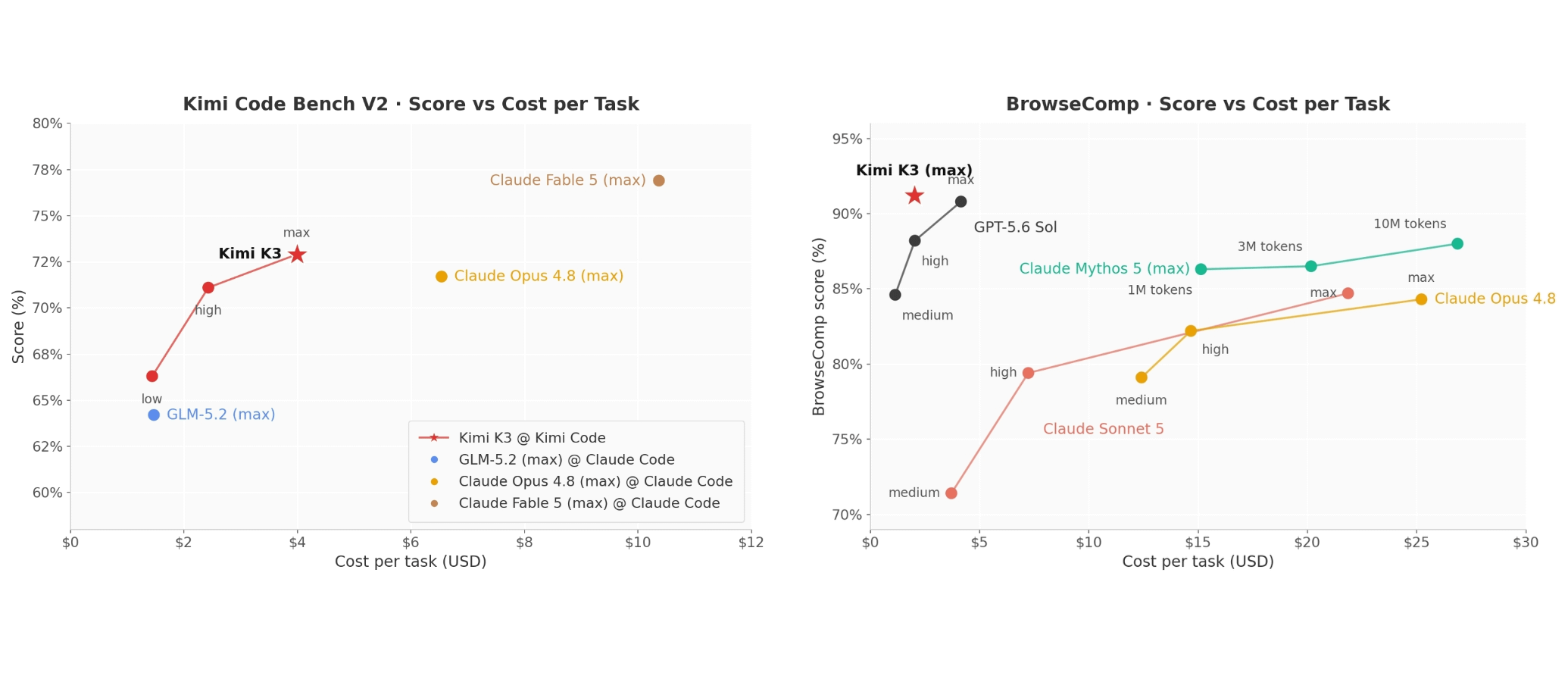
Chinese start-up Moonshot released Kimi K3.
Twenty-nine countries founded a new international AI organisation.
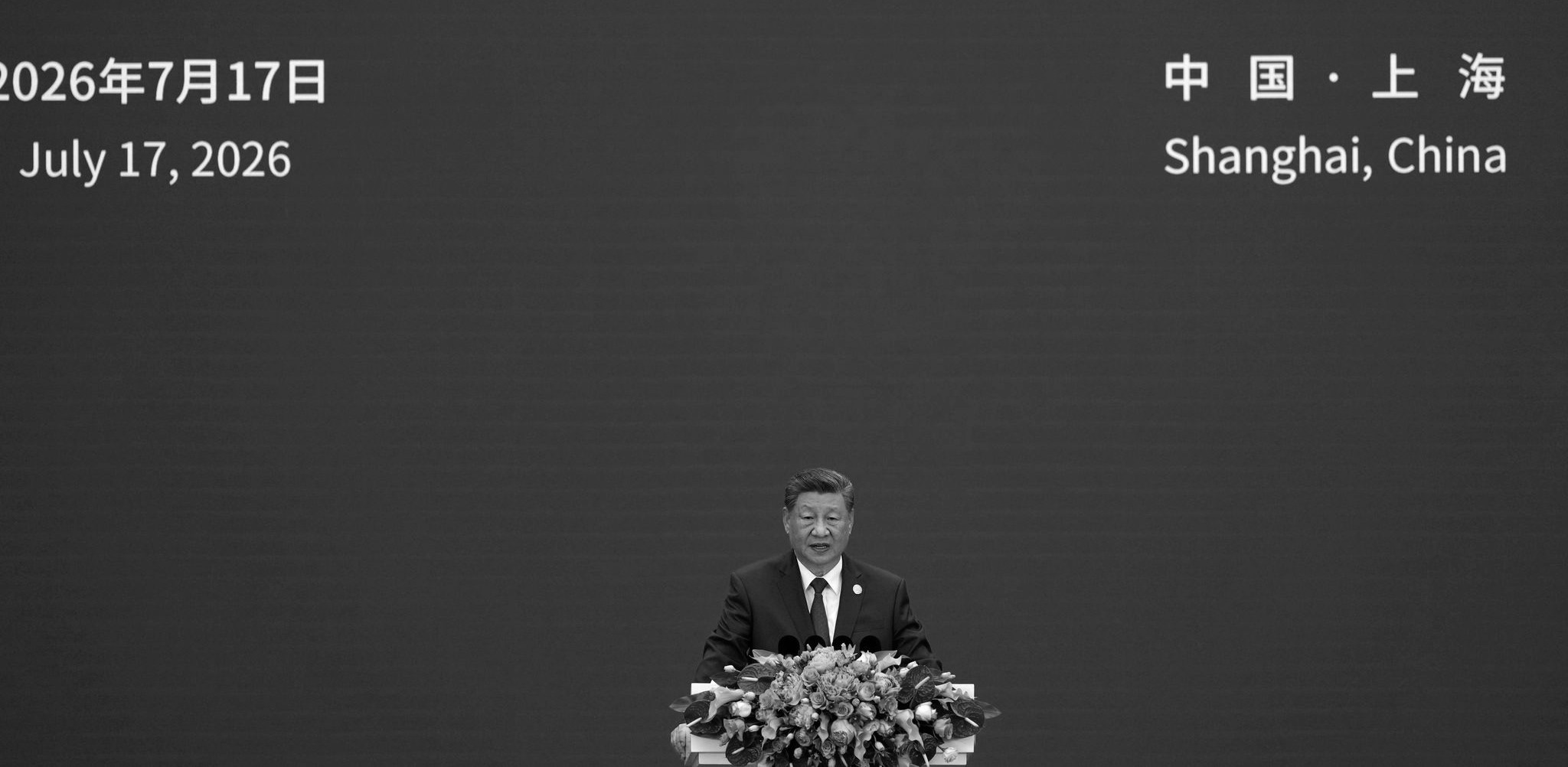
And Xi Jinping used the World Artificial Intelligence Conference in Shanghai to set out China’s ambition to lead both AI development and the rules around it.
Together, they reveal a much larger strategy.

1. The Model
Moonshot says Kimi K3 contains 2.8 trillion parameters, can process up to one million tokens at once and is designed for coding, research and complex tasks that run over long periods.1
Early third-party evaluations place it close to the strongest American models on several coding and agent benchmarks. On some tests it scores higher; on others, Anthropic and OpenAI remain ahead.
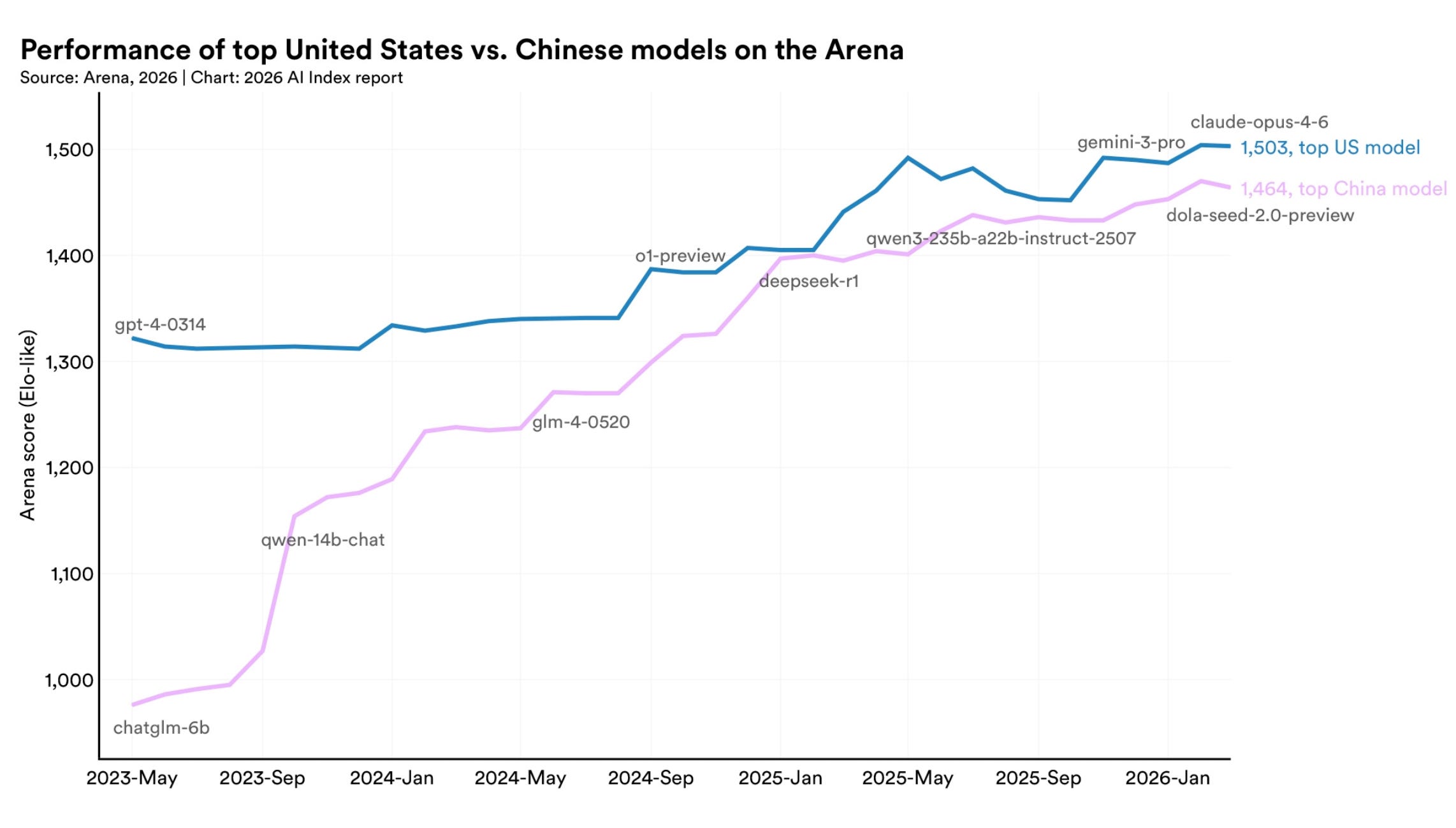
Parameter counts do not prove intelligence, and launch-day benchmarks deserve caution. But the broader trend is harder to dismiss: Chinese models are no longer obviously one generation behind.
Stanford’s 2026 AI Index reached the same conclusion before K3 appeared. It found that the performance gap between the best American and Chinese models had narrowed to 2.7 per cent by March.23
2. The Organisation
The second development may prove more important.
On Thursday, 29 countries signed an agreement establishing the World Artificial Intelligence Cooperation Organization, or WAICO. Its headquarters will be in Shanghai.
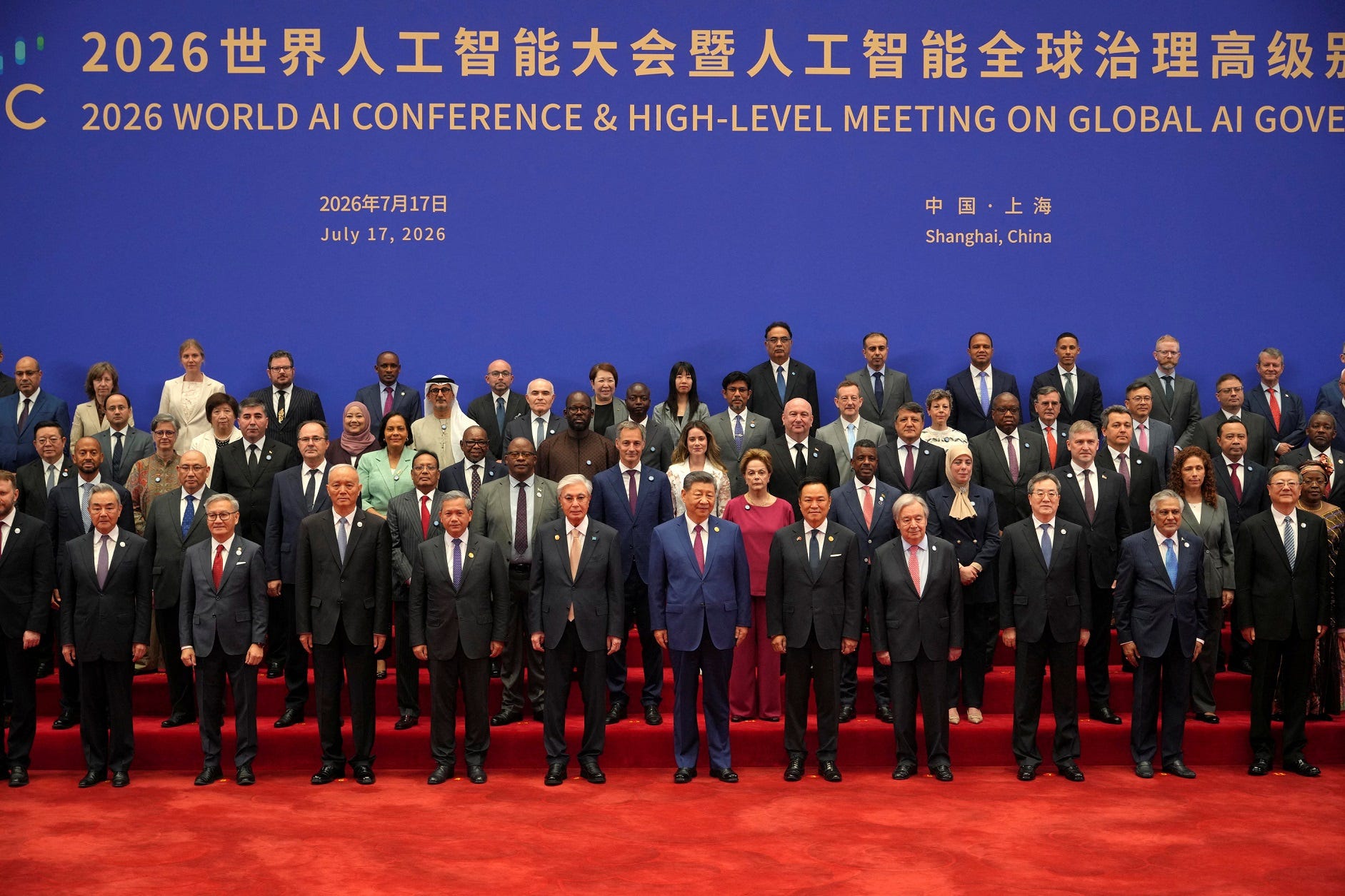
The founding members include Brazil, Russia, Indonesia, Serbia, Cuba and Venezuela, alongside ten African and twelve Asian countries.
The organisation says it will promote cooperation, access and global AI governance. In practice, it also gives China a permanent forum through which it can influence standards, policy language and technical priorities.
The West already has institutions discussing AI safety, human rights and regulation. China is offering something different: access, infrastructure, training and national control.45
If you want to go deeper, read the essay by Arindrajit Basu, Carnegie Endowment for International Peace 6
3. The Offer
Xi did not arrive in Shanghai with principles alone.
China will offer 5,000 AI training and seminar places to developing countries over the next five years. It plans AI cooperation centres with ASEAN, BRICS, the African Union, the Arab League and Latin American states. Thirty countries will also receive access to a Chinese AI weather-warning system.7
The message is simple:
China will provide the models, the training, the applications and the institution discussing the rules.
It is foreign policy delivered through software.8
CHINA’S AI STACK
Models — Kimi, DeepSeek and other open systems
↓
Distribution — lower prices and greater local control
↓
Capacity — training, infrastructure and applications
↓
Influence — standards, institutions and political relationships
4. What This Does Not Prove
China has not overtaken the United States.
American companies still produce more top-tier models and attracted almost $286 billion in private AI investment during 2025, compared with about $12 billion in China. The United States also retains a major advantage in advanced chips, data centres and frontier research funding.
Kimi K3’s real-world reliability is still largely untested. Several published results come from Moonshot’s own evaluations, sometimes using different software environments for different models.
WAICO’s authority is also unclear. Signing an agreement is easier than building an institution that countries genuinely follow. China’s domestic model of internet control will make some governments and companies cautious.
These are serious limits. They do not cancel the strategy.9
Our View
Over the last view months, we all have been realizing that the AI race is no longer only about who builds the smartest model.
China is trying to become the default AI partner for countries that cannot afford American frontier systems, want to run models locally or dislike depending entirely on US companies and policy.
That could be a powerful offer.
As builder you know that technology standards often spread because they are affordable, available and supported—not because they win every benchmark.
The three questions worth watching now are:
Does Kimi K3 perform as well outside controlled tests?
Do major companies and governments begin building on Chinese models?
Does WAICO produce real standards, infrastructure and procurement—or merely better conference photographs?
China has made its move unusually clear.
The rest of the world now gets to decide whether it accepts the offer.
🎚️🎚️🎚️🎚️ Producer’s Note
China is not only building the models. It is already making the soundtrack. An AI-generated track that sounds remarkably American.
Fab 🍜
LinkedIn | Insta | X | Website
StudioAlpha Capital is a Delaware-structured pre-seed venture fund backing AI-native B2B software startups at day zero. Legal counsel: Cooley LLP. Fund administration: AngelList.
Sources
https://carnegieendowment.org/research/2026/05/chinas-pivot-on-global-ai?utm_source=chatgpt.com
The AI race is no longer just about building the smartest models. It is increasingly about becoming the infrastructure the rest of the world relies on.
The US may still lead at the frontier but China is building the distribution layer beneath it. In the end, the winner may not be the most advanced AI but the one countries can most easily afford, deploy and control.
We don’t defeat political extremism with slogans. We defeat it with strong institutions, with responsible leaders, with the even-handed enforcement of law, and with a society that says no to violence-regardless of who employs it.
Every ideology, no matter whether it’s identified as liberal, conservative, religious, nationalist or revolutionary, crosses a dangerous threshold when it’s used to justify intimidation, political violence or terror as legitimate means to achieve its ends. When violence displaces political discussion, we all lose.
The answer isn’t to demonize large categories of people. The genius of a democracy is that people can vigorously oppose one another’s views, yet respect the rights of their opponents. Freedom to march, to assemble peacefully, to speak out-those are essential democratic rights. Physical attacks, vandalism, threats, civilian terrorism are not.
We must insist that our governments enforce the law vigorously and impartially. People who commit criminal acts should face justice, accountable to an independent judiciary, irrespective of their political affiliations or beliefs. At the same time, we must protect civil rights, encourage a robust and free public sphere, and invest in an education system that fosters critical thinking, civic responsibility and media savvy, making it harder for misinformation and extremism to flourish.
The strategic work is not simply to respond to extremism, but to prevent the growth conditions that make it flourish. This demands transparency and public confidence, economic opportunity and civic engagement, and assurance that grievances can be addressed peacefully through established democratic channels.
The indicator of a healthy society is not how well we manage to avoid disagreements, but how successfully we resolve disagreements without resorting to violence.
The right strategy is to defend freedom, reject political violence in all its forms, insist on the fair application of law and strengthen the institutions that enable our democracy to thrive.