

Apple’s Real Moat: Culture
Apple’s CEO transition is the trigger. AI regime change is the real test. A decision brief on culture, continuity, and what leaders must change without losing what works.


Welcome to the first Backstage Brief.
Backstage Briefs are built for leaders who own outcomes: CEOs, founders, owners, board members, CxOs, and business-unit heads. We write from our work with AI-native startups at the edge of software innovation, and from 30 years of building technology companies and implementing software inside enterprises and SMEs.
Unlike our Thursday Pulse essays, each Backstage Brief takes one current trigger, turns it into one leadership decision, and gives you one or more tools you can use with your team.
The structure is simple:
A. Why it matters — what changed and why leaders should care.
B. What it is about — theory, models, decision, tension, or trade-off.
C. How to get started — a Leadsheet, script, checklist, or 30-day move.
Paid members get the full brief, including the Leadsheets, board discussion script, and 30-day action plan.
Backstage Briefs are USD 19/month.
AI is a supercycle, a horizontal technology. It will move into products, services, workflows, customer support, sales, software development, finance, HR, decision-making, and board discussions. It changes not only what companies can build, but how companies work.
That makes culture practical.
Every company now has to ask: which habits still help us, and which habits were built for the last cycle?
Apple gives us the live case.
Its culture survived founder loss, near-collapse, CEO change, product shifts, global scale, and repeated technology cycles. Now AI is testing it again.
The question is not: “Who replaces Tim Cook?”
The question is: Is your culture helping you adapt to the AI cycle — or holding you inside legacy cycles?
This brief gives you three tools:
the Culture Moat vs Wall Test
the Leadership Change Leadsheet
a 30-day action plan to separate principles from old rituals

A. Why It Matters
Apple is the right case because it combines two things that rarely sit together: an unusually durable culture and a live strategic test.
On one side, Apple is choosing continuity. John Ternus is an internal successor with more than two decades inside the company. Apple frames the transition as planned continuity, not a reset.1
On the other side, AI is forcing a different rhythm. Apple delayed some personalised, context-aware Siri improvements into 2026, including features meant to act within and across apps.2
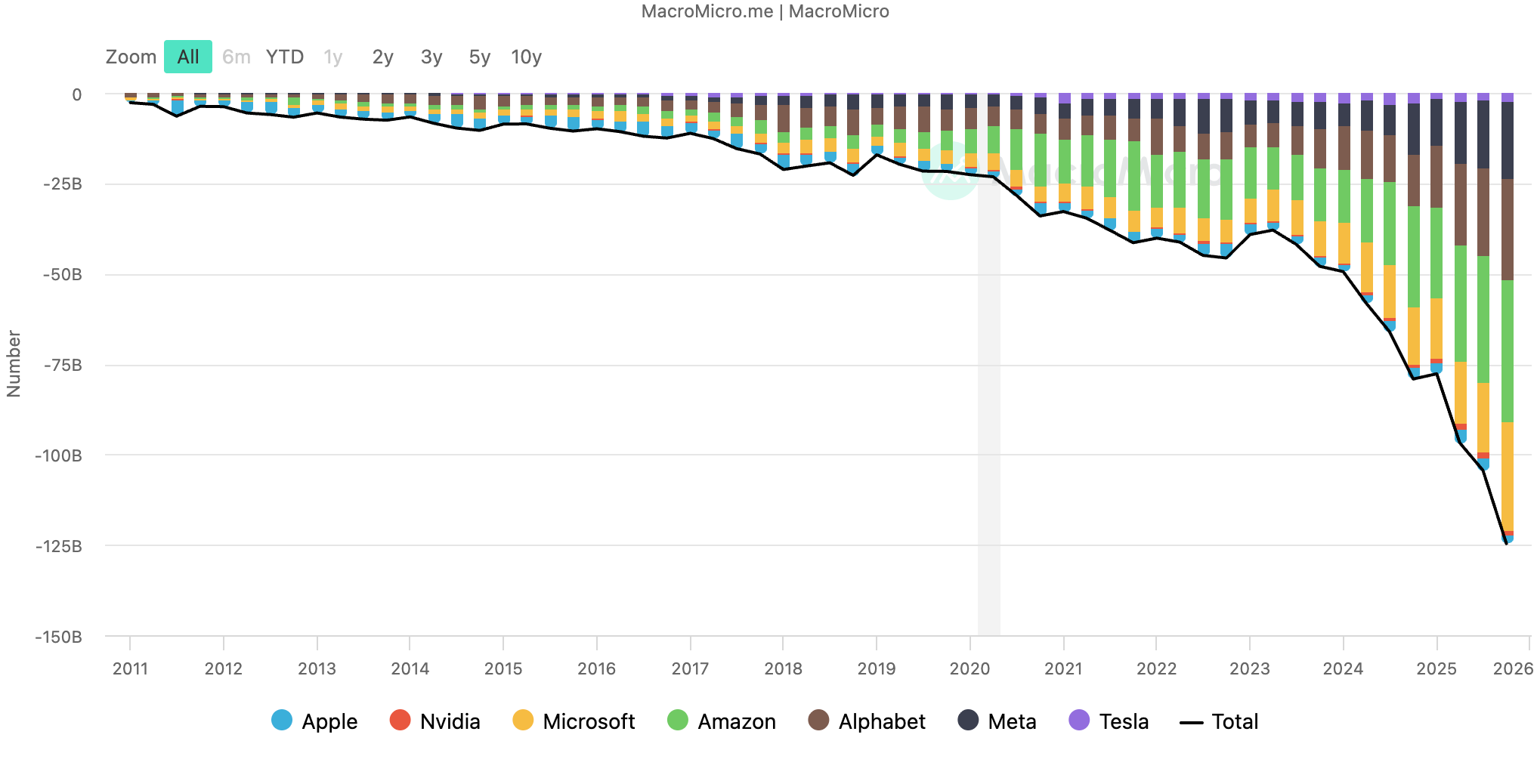
Unlike several other large technology companies, Apple has not visibly shifted into the same AI infrastructure capex race; its 2025 filing still shows a highly profitable, product-and-services machine, with $416.2bn in net sales and Services at $109.2bn.3
That puts the next decision on Ternus’ desk: preserve what makes Apple Apple, while deciding which habits must change for the AI cycle.
Now we need to understand what Apple’s culture actually is.
1. Apple before Jobs became “Jobs”
One correction matters.
Steve Jobs was Apple’s founder and later its defining CEO. But he was not Apple’s first CEO.
Apple was founded by Steve Jobs and Steve Wozniak on April 1, 1976, incorporated as Apple Computer in January 1977, and renamed Apple Inc. in 2007.4 The CEO line runs roughly like this: Michael Scott, Mike Markkula, John Sculley, Michael Spindler, Gil Amelio, Steve Jobs, Tim Cook, and now John Ternus.
That history matters.
Jobs’ return in 1997 was the decisive reset. Apple was not only missing better products. It was missing coherence: too many products, too little focus, too much internal complexity, and no clear centre of gravity.
Jobs restored the centre: focus, product taste, technical judgment, and deep respect for the user experience.
